We help large and mid-sized multi-site retailers in Australia move store hours from low-value tasks to customers, stock and sales.
Technology has changed the rules of store work. Most of the work hasn't changed.
Stores still spend hours keeping up work that systems could now carry, while the work that sells waits, and wages and shrink keep rising as a share of sales.
What we believe
Tight rosters are not the end game. Tight process is.
01
Stop the waste before you digitise it.
02
Rethink the work for what technology now makes possible.
03
Know what it's worth before you spend.
04
Prove it in stores, small and fast.
The best-run stores we know have lean rosters, the best service and the highest conversion. Process and technology get them there.
The cost of an empty shelf
One empty facing. A customer reaches for it, and the sale goes somewhere else.
Across one store, about 8 in every 100 products are out of stock at any time.
Across every store, it repeats every hour you trade.
About 4 cents in every sales dollar.
That is what out-of-stocks cost retailers. Getting stock from the dock to the shelf is store work, and it is where store hours count.
Source: Gruen, Corsten and Bharadwaj, Retail Out-of-Stocks: A Worldwide Examination (2002). Averages across retailers studied, not a forecast for your stores.
What we do
Where we help.
Five areas of store operations and store experience where we help retailers make every store hour count.
At a national discount retailer, led by Fabio and Cam.
In-store experience
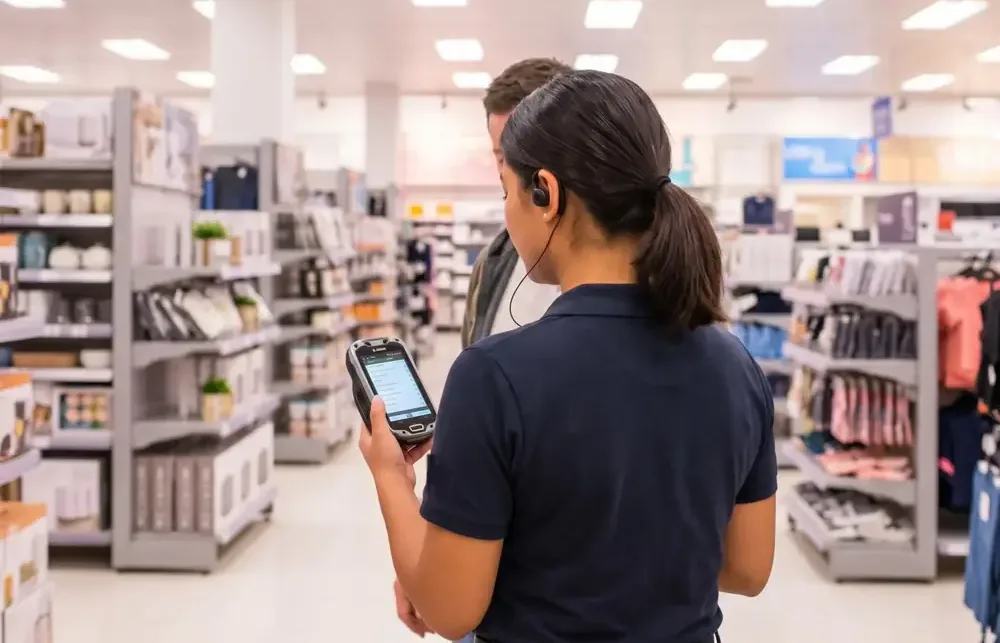
An AI teammate that answers on the shop floor
Team members ask a question out loud on their handheld and get an answer in seconds: where a product is, how a process works, what to tell the customer.
About 100 team members and managers use it in a live store.
Store productivity and availability
The right work, in the right order, by the right people
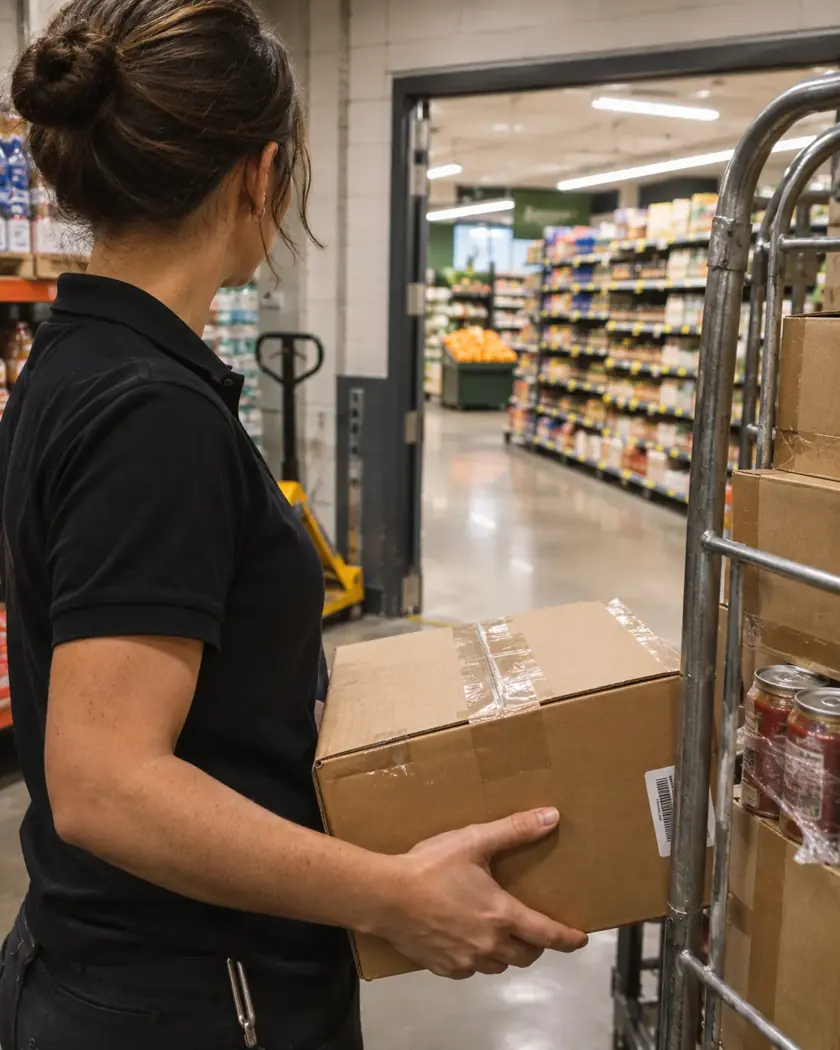
Deliveries arrived in the order the warehouse picked them, and rosters followed the clock, not the work. We sequenced deliveries to match how each store fills its shelves, then built store hours around the tasks that matter most, done in the right order by the people best at them.
Fewer handling steps between the dock and the shelf.
In-store experience
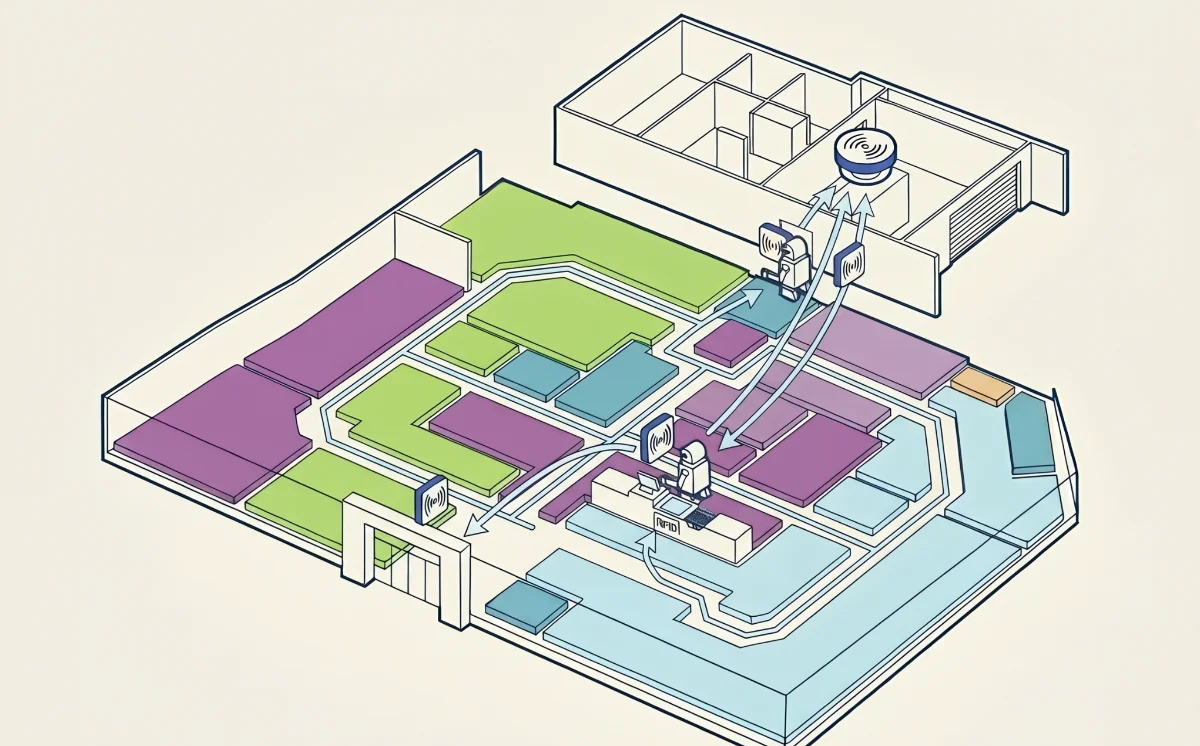
Knowing what is in the stockroom without a full scan
One label type for every product, and fixed and worn readers that place each product as it moves.
95% stock accuracy in a trial store. The work moved to a funded product team.
The 14-day store diagnostic
In 14 days, know where your store hours go, and where they should.
A $25K fixed fee, two or three of your stores, and a change plan you keep.